Maintaining a comfortable indoor environment in Central Illinois is crucial, and your air conditioning system plays a pivotal role in achieving that. When your AC starts acting up, it can quickly turn a mild day into an uncomfortable ordeal. Recognizing the early warning signs of a struggling unit can prevent minor issues from escalating into costly breakdowns, and at Pro Air HVAC, we believe in empowering our community with transparent information to keep their homes comfortable.

Inconsistent or Insufficient Cooling
One of the most obvious indicators that your AC needs attention is when it fails to cool your home effectively. If you notice warm spots in certain rooms, the air coming from your vents isn't as cold as it used to be, or the system runs constantly without reaching the desired temperature, it's a clear signal. This could be due to a variety of issues, including low refrigerant levels from a leak, a failing compressor, clogged air filters restricting airflow, or problems with the ductwork. Promptly addressing these can restore your system's efficiency and your home's comfort.
Unusual Noises or Odors
Your air conditioner should operate with a relatively consistent, low hum. Any departure from this norm warrants investigation. Grinding, squealing, banging, or hissing sounds often point to mechanical issues such as a failing motor bearing, a loose belt, or even a refrigerant leak. Similarly, strange odors emanating from your vents can indicate problems. A musty smell might suggest mold or mildew in the unit or ductwork, while a burning odor could signal an electrical issue or an overheated motor. These smells and sounds should not be ignored, as they can be precursors to more significant damage.
Increased Energy Bills and Frequent Cycling
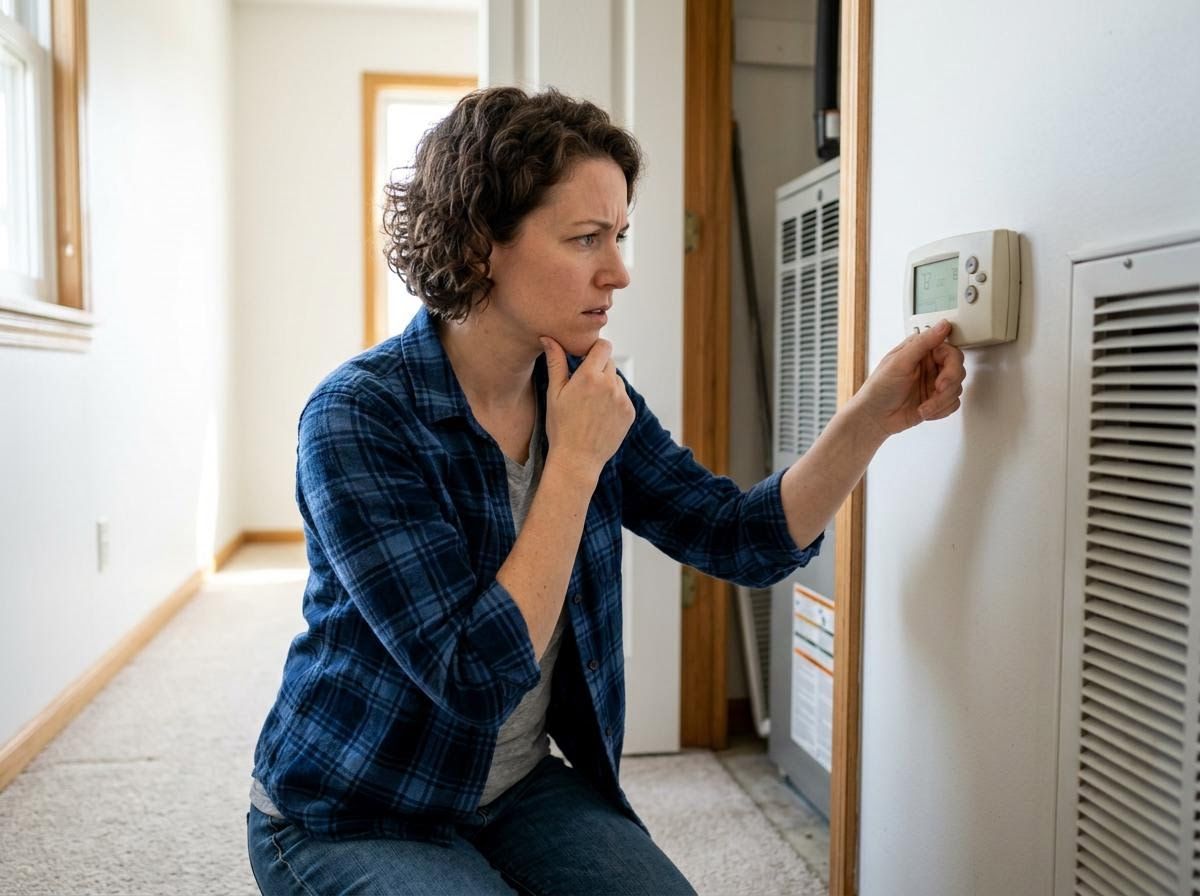
If your monthly utility bills are inexplicably higher than usual, and you haven't changed your usage habits, your AC system might be working harder than it needs to. An inefficient system struggles to maintain the set temperature, consuming more energy in the process. Another red flag is frequent cycling, where your AC turns on and off too often in short bursts. While some cycling is normal, short-cycling can indicate an oversized unit, a faulty thermostat, or issues with the compressor. These symptoms not only drive up costs but also put undue stress on your system, potentially shortening its lifespan.
Leaks and Moisture Accumulation
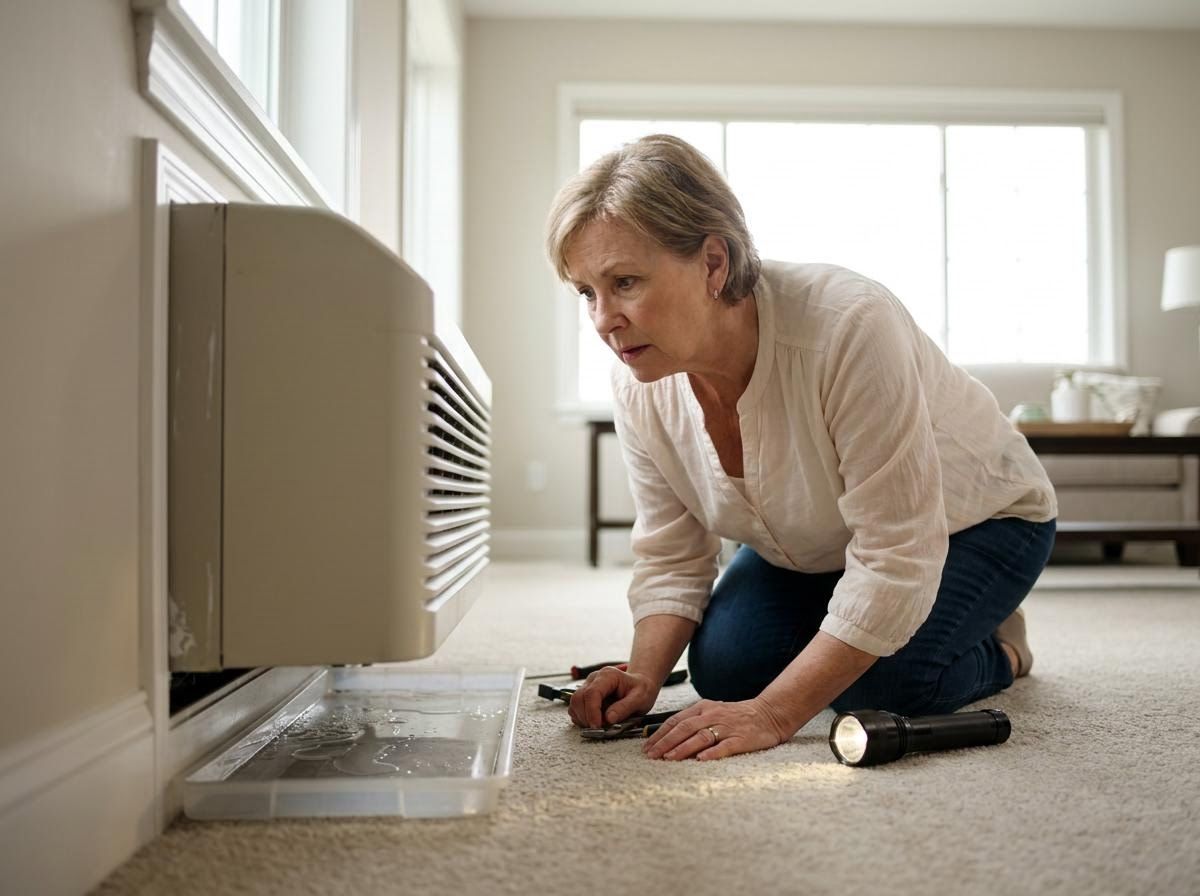
Puddles of water or excessive moisture around your indoor AC unit should never be overlooked. While a small amount of condensation is normal, significant leaks can signal a clogged condensate drain line, which prevents water from draining properly. If left unaddressed, this can lead to water damage, mold growth, and even system shutdowns. Leaks can also indicate a refrigerant leak, which is a more serious issue requiring immediate professional intervention due to both environmental concerns and the unit's cooling capacity.
When to Call the Experts
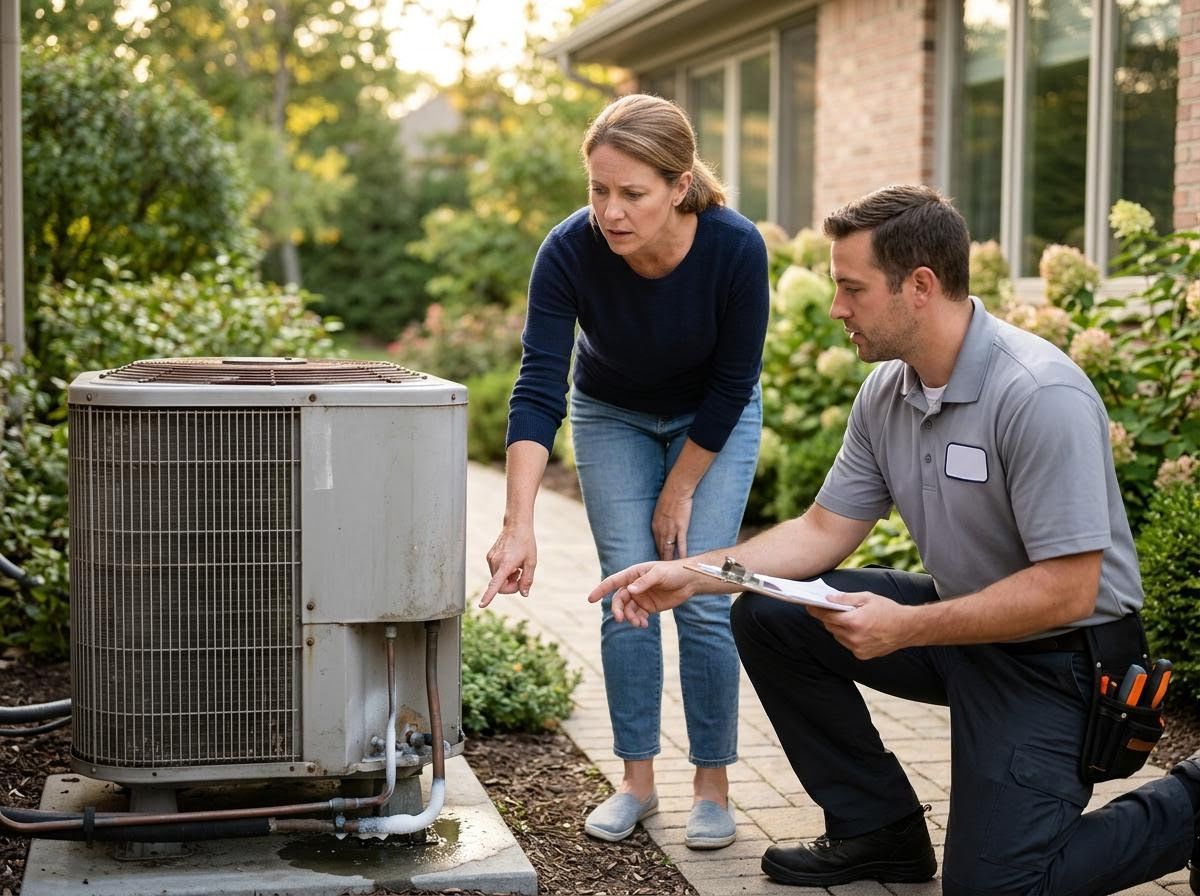
Recognizing these signs early can make all the difference in preventing minor AC issues from escalating into major problems. Addressing these concerns promptly with the help of qualified professionals ensures your system operates efficiently, reliably, and extends its lifespan, providing consistent comfort for your family. To learn more about common AC issues or to schedule a diagnostic, we invite you to explore our comprehensive resources on heating and cooling system care.