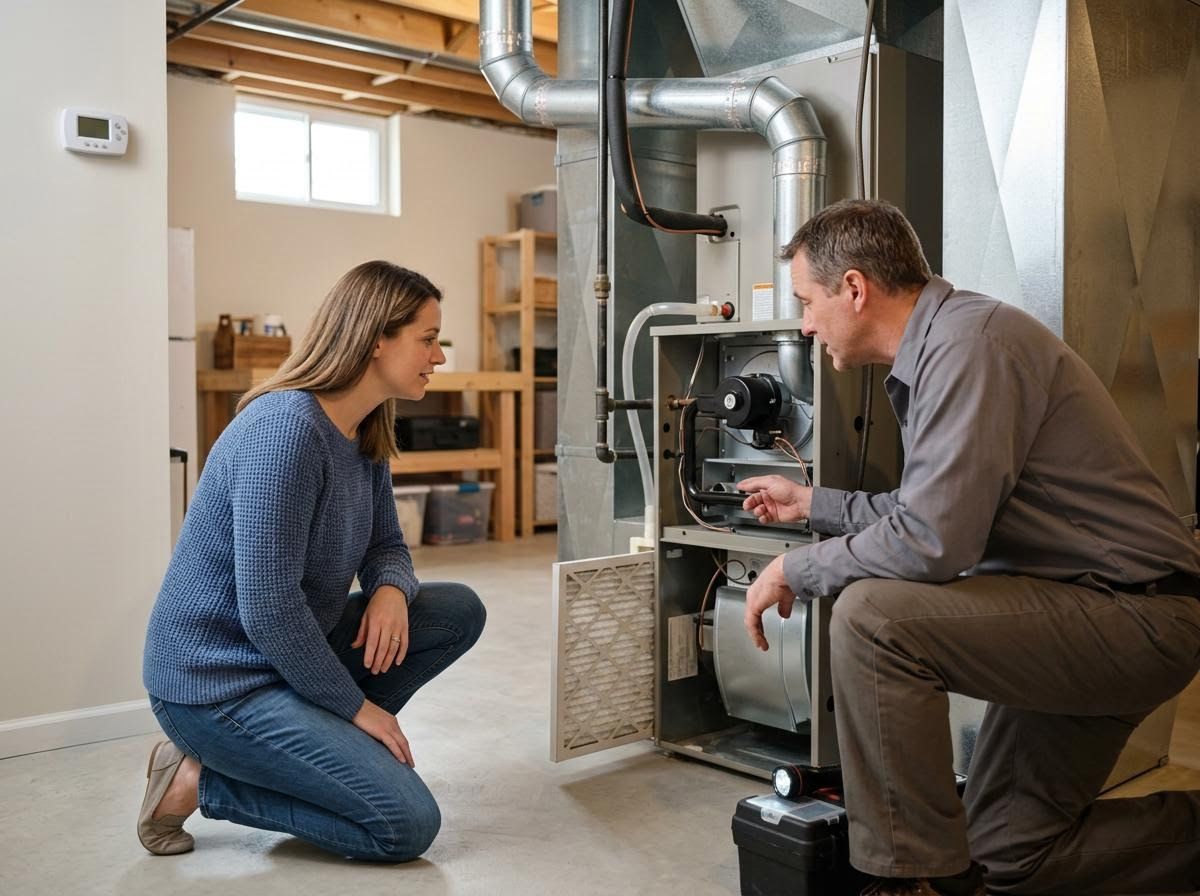
Understanding your home's HVAC system is fundamental to ensuring consistent comfort, efficiency, and healthy indoor air quality. As a locally owned and operated, family-run business deeply rooted in Central Illinois, Pro Air HVAC believes that empowered homeowners make the best decisions for their families. This post aims to demystify the essential components and basic functions of your heating, ventilation, and air conditioning system, helping you appreciate how it diligently works to maintain your ideal home environment.
The Core Components of Your HVAC System
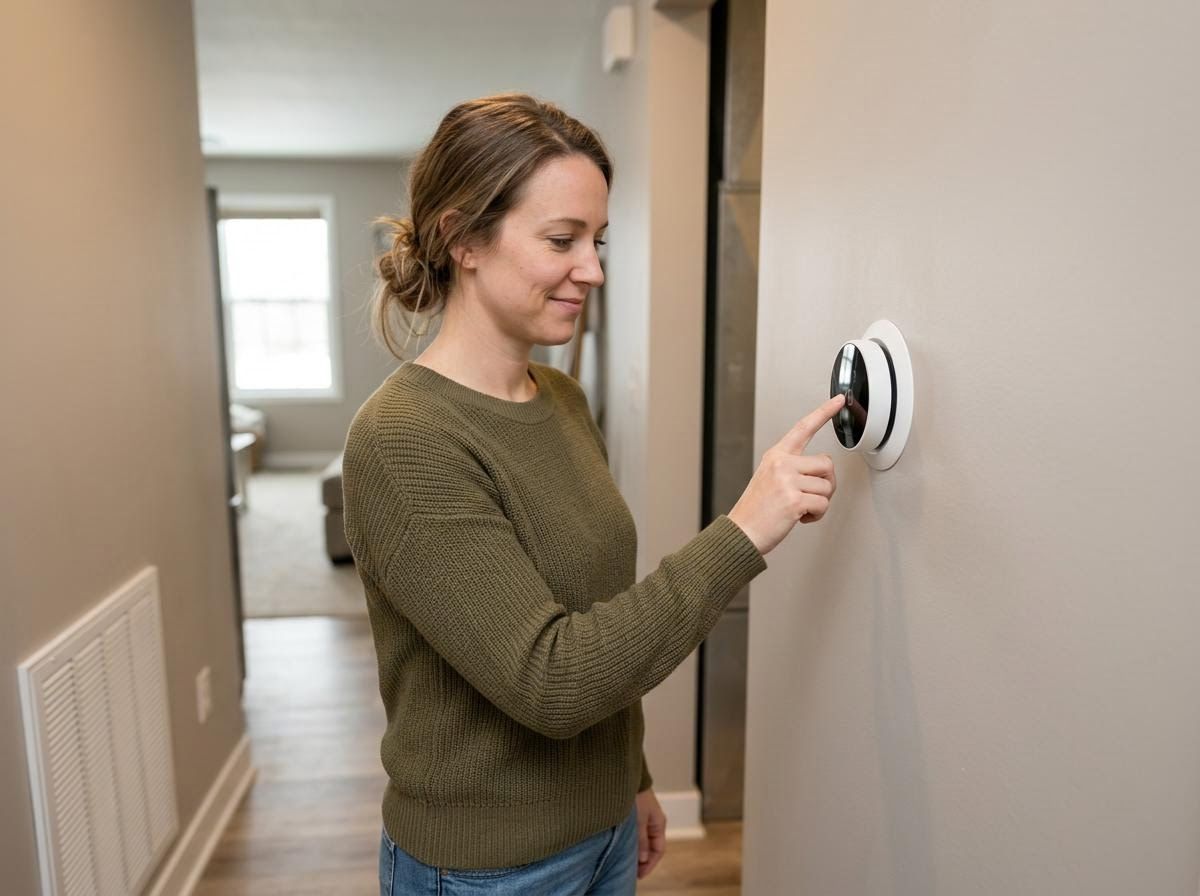
At its heart, your HVAC system is a network of interconnected components designed to control your home's climate. The primary players include the furnace, responsible for heating your home, and the air conditioning unit, which handles cooling. The thermostat acts as the brain, allowing you to set and monitor your desired temperature. Crucially, a system of ductwork—often hidden behind walls and ceilings—distributes the conditioned air throughout your living spaces, while return air vents pull air back into the system for reconditioning. Without any one of these working in harmony, your comfort would be compromised.
How Your System Heats and Cools
When you turn on your heat, the furnace ignites fuel (natural gas or propane, for example) or uses electricity to generate heat. A fan then pushes this warmed air through your ductwork into each room. For cooling, the outdoor air conditioning unit and an indoor evaporator coil work together in a refrigeration cycle. Refrigerant circulates between these units, absorbing heat from your indoor air at the evaporator coil and releasing it outside at the condenser coil. The indoor fan then circulates this cooled air throughout your home, ensuring a refreshing escape from the Central Illinois heat.
Beyond Temperature: Air Quality and Efficiency
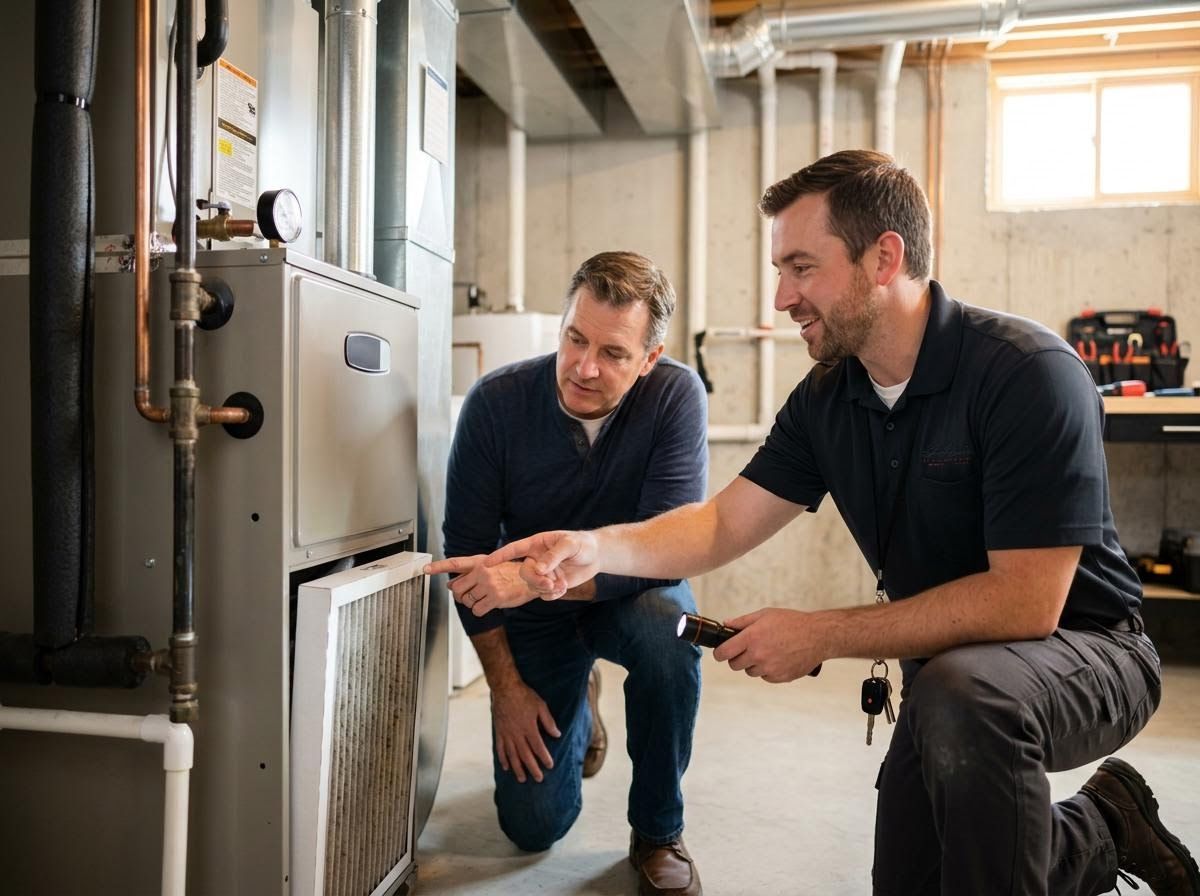
An effective HVAC system does more than just regulate temperature; it plays a vital role in your home's overall health and efficiency. Air filters are crucial for trapping dust, allergens, and other particulates, improving indoor air quality and protecting your system's components. Furthermore, modern systems are designed with energy efficiency in mind, often featuring Energy Star ratings. Understanding how features like variable-speed motors or proper sizing contribute to lower running costs and reduced energy consumption can significantly impact your utility bills and carbon footprint, providing long-term value for your household.
A basic understanding of your HVAC system empowers you to better manage your home's comfort and efficiency, allowing you to proactively address needs and ensure longevity. Knowing these fundamentals helps you recognize when maintenance is due or when to seek expert advice, ensuring your system runs reliably for years to come. For comprehensive insights into optimizing your home's environment, we invite you to explore our resources on maintaining peak system performance and indoor air quality solutions at Pro Air HVAC.